Best YouTube channels to learn German in 2026
by Riya Dosani
Updated on July 27, 2026
The best YouTube channels to learn German are Easy German for immersion, DW Learn German for a free structured course, Learn German with Anja for beginners, and Deutsch mit Marija for exam prep. The right channel for you depends on your level and your goal. So we've sorted all twelve below by both.
Maybe you're moving to Germany for a new job. Perhaps you're already here, with an emotional-support “wie bitte” for every situation. Either way, YouTube is one of the best free tools for learning German, and the channels below will help you get started. Not sure what your level is? Take our free placement test to find out where to start.
- All your German YouTube resources at a glance
- Your first day of learning German? Start here!
- Going beyond textbooks: Train your ear for real German
- Studying for Goethe or TestDaF? These channels are for you
- What level do you actually need?
- Can you learn German on YouTube alone?
- How to combine YouTube with real speaking practice
- FAQs
- Pick two channels, then start speaking
All your German YouTube resources at a glance
| Channel | Best for | Level | Content type |
|---|---|---|---|
| Learn German with Anja | Absolute beginners | A1–B1 | Grammar and vocabulary lessons |
| Learn German with Herr Antrim | Grammar explained in English | A1–B1 | Classroom-style lessons |
| DW Learn German (Nicos Weg) | A free structured course | A1–C1 | Story-based video course |
| lingoni GERMAN | Step-by-step progression | A1–B2 | Structured lessons with worksheets |
| Learn German | Quick grammar refreshers | A1–B1 | Short topic-based lessons |
| Easy German | Real spoken German | A1–C2 | Street interviews with subtitles |
| Easy German Podcast | Listening on your commute | B1–C1 | Conversational audio |
| Get Germanized | Culture and everyday slang | A1–B1 | Culture, slang, and beginner lessons |
| Feli from Germany | Understanding German culture | B1+ | Culture comparisons and expat life |
| Deutsch mit Marija | Goethe, telc, and TestDaF prep | B1–C2 | Exam strategy and practice |
| Deutsch mit Rieke | Advanced vocabulary | B2–C2 | Advanced grammar and expressions |
| Lingoda | Learning tips from teachers | A1–C1 | Study advice and language tips |
Your first day of learning German? Start here!
Learn German with Anja is where many learners get familiar with the language. Anja's energy is famously un-German (her words, not ours), and her beginner lessons on articles, cases, and pronunciation make dry grammar genuinely fun. With over one million subscribers, she's one of the most popular German teachers on YouTube.¹ Start with her A1 playlist and work forward.
Learn German with Herr Antrim takes the opposite approach: calm, systematic, classroom-style lessons from an American German teacher. Because he explains grammar in English, he's ideal when you need someone to finally make sense of der, die, and das. His accusative and dative case videos will save you weeks of guessing.
DW Learn German hosts Nicos Weg, a free video course from Germany's public broadcaster Deutsche Welle. It follows Nico, a young Spaniard who arrives in Germany and has to navigate exactly what you will: finding a flat, dealing with paperwork, making friends. The course runs from A1 to B1 in a structured sequence, with advanced content up to C1.
lingoni GERMAN offers hundreds of structured lessons from A1 to B2, each accompanied by downloadable worksheets. If you like ticking boxes and seeing a clear path from lesson 1 to lesson 100, lingoni's level playlists give YouTube learning something it usually lacks: order.
Learn German does exactly what the name promises. Short, focused videos on one grammar topic or vocabulary set at a time. It's the channel to open when you have ten minutes before a meeting and want to review the perfect tense.
Going beyond textbooks: Train your ear for real German
The German you learn from a textbook isn't quite the German you'll hear on the street. These channels close the gap, offering you the cultural context behind the language.
Easy German is the biggest German-learning channel on YouTube, with nearly three million subscribers. Cari, Manuel, and the team interview real people on the streets of Berlin about everyday topics, with dual German-English subtitles on every video. This is what German actually sounds like: fast, casual, full of filler words. Their Super Easy German series slows things down for beginners, so you can start watching from A1.
Easy German Podcast turns the same approach into audio. Episodes run 30–40 minutes of natural conversation, perfect for your commute. You'll find it on any podcast app. If your listening comprehension collapses the moment Germans speak at full speed, this is the fix. For more listening options, see our guide to the best podcasts to learn German.
Get Germanized has been running since 2009, and host Dominik covers the Germany that textbooks skip: slang, dialects, cultural quirks, and the unwritten rules of everyday life. It's ideal when you want a break from grammar but still want to learn something useful for Monday morning.
Feli from Germany looks at German culture through the eyes of a German living in the US. Much of her content is in English, which makes her videos an accessible way to understand cultural differences, such as why small talk works differently and what Germans really think about directness — before you experience them firsthand at work.
Studying for Goethe or TestDaF? These channels are for you
Chasing a certificate for a visa, a university, or your next job? These channels walk you through the exams, share tips that calm your nerves, and polish your German language skills.
Deutsch mit Marija is the exam-prep specialist. Marija, a polyglot German teacher, walks through Goethe-Zertifikat, telc, and TestDaF formats level by level, from B1 to C2. Her videos are in German with the CEFR level in the title, so you always know what you're getting. Her speaking-exam strategy videos are especially valuable because speaking is where most self-taught learners lose points.
Deutsch mit Rieke picks up where beginner channels leave off. Advanced vocabulary, nuanced grammar, and the small distinctions between words that dictionaries call synonyms but Germans don't. If you're pushing from B2 to C1, Rieke's videos help your German stop sounding like a translation.
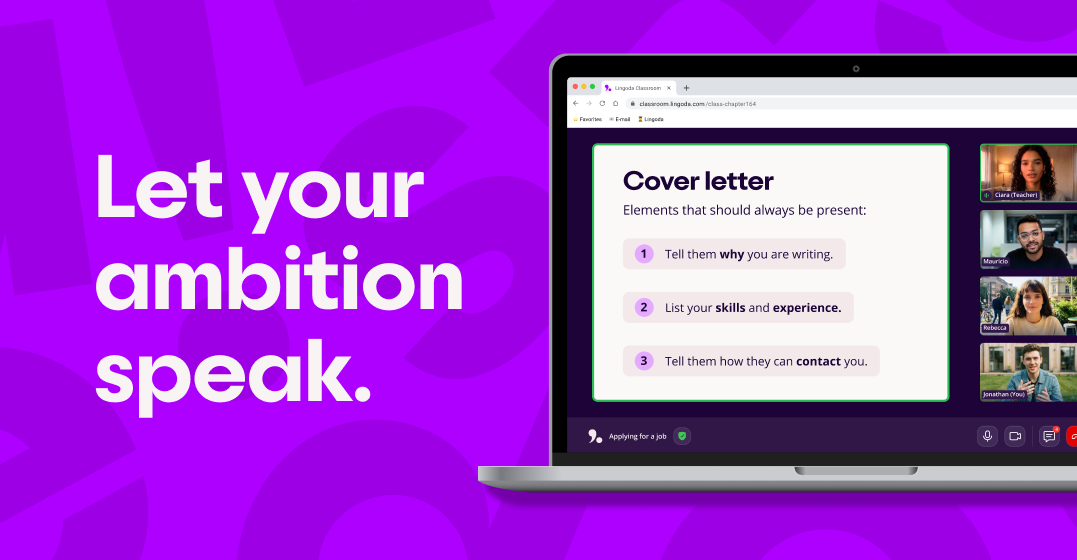
Lingoda's own channel rounds out the list with study advice, language tips, and honest talk about what it takes to reach each level, straight from our certified teachers.
Choosing the right exam starts with understanding the levels behind it. Our guide to German language levels from A1 to C2 explains what each one means in practice.
What level do you actually need?
If you're relocating to Germany for work, one level matters more than any other: B1.
Here's why. If you hold an EU Blue Card, you can apply for a permanent settlement permit after 27 months of employment with basic German (A1). With B1 German, that wait drops to 21 months. That's half a year of your life, returned to you by a language certificate.
B1 is also the language requirement for German citizenship. Since the 2024 reform of the nationality law, naturalization is possible after five years of residence, and German, at least at level B1, is one of the core requirements.
Immigration rules change, so confirm the current requirements with your local Ausländerbehörde (foreigners' office) before you plan around them. But the direction is clear: German pays off, and B1 is the milestone to aim for. For a realistic sense of the road ahead, see how long it takes to learn German.
Can you learn German on YouTube alone?
Realistically, we'd say no, and it's worth being honest about why. YouTube is excellent for input: listening, vocabulary, and grammar explanations. But nobody hears you speak, corrects your mistakes, and there’s no accountability either.
Even the creators know this. Easy German, the biggest channel on this list, offers a paid membership because free videos alone don't make people fluent. Apps have the same limit: useful supplements, not complete solutions. (We compare them in our guide to the best apps to learn German.)
The missing piece is live speaking practice. In Lingoda's small-group classes, you speak from day one, get real-time feedback from a certified teacher, and always have room to ask questions. Hear it straight from a Lingoda learner:
“Starting from scratch with German has been really reassuring with Lingoda. Even when the teacher is speaking mostly German, it has been at a pace that I can understand, and I've been amazed at what I've been able to pick up in just a few lessons. This is definitely the best way to learn as you start speaking right from the start.”
- Alice, Great Britain
How to combine YouTube with real speaking practice
Here's a weekly routine that fits around your schedule. We also walk through this approach step by step in our webinar with Elysee, a polyglot. The replay is available to download and watch anytime.
- Monday, Wednesday, Friday: 15 minutes of YouTube input. One grammar video (Anja, Herr Antrim, or lingoni) or one Easy German episode with subtitles. Commute time counts.
- Tuesday and Thursday: one live class each day. This is where you speak, make mistakes out loud, and get corrected. Two hours a week of real speaking practice moves you faster than ten hours of passive watching.
- Weekend: one podcast episode or any form of passive learning you actually enjoy.
The hard part of step 2 has always been logistics: fixed course schedules don't survive contact with a professional calendar. That's the problem Lingoda Flex is built for. Classes run around the clock, you book them when your week allows, and you learn in small groups with certified teachers who correct you in real time. Our curriculum follows the same CEFR levels as the visa requirements above, so your progress maps directly onto B1.


Speak German from day one with a free 7-day trial.
Start for freeFAQs
Yes, up to a point. YouTube is one of the best free resources for listening comprehension, vocabulary, and grammar explanations. But it can't give you speaking practice or feedback, which you need for real fluency. Use YouTube for input and add live conversation practice for output.
Which is the best YouTube channel to learn German?
Easy German is the best all-around channel thanks to its authentic street interviews and dual subtitles. For a structured free course, choose DW Learn German's Nicos Weg. Complete beginners should start with Learn German with Anja or Learn German with Herr Antrim.
Is YouTube enough to reach B1 for a German visa?
Usually not on its own. B1 exams test speaking and writing, which YouTube can't help you practice or correct. Most learners combine video input with structured classes and regular speaking practice to pass a B1 exam like the Goethe-Zertifikat or telc B1.
How long does it take to learn German with YouTube?
It depends on your consistency and whether you add speaking practice. As a rough guide, reaching B1 takes most learners several hundred hours of active study. Watching videos alone progresses slowly; combining daily input with live classes is significantly faster. See our full guide on how long it takes to learn German.
Is Duolingo or YouTube better for learning German?
They do different jobs. Duolingo builds daily habit and basic vocabulary; YouTube offers deeper grammar explanations and authentic listening. Neither trains speaking. Many learners use both as supplements alongside live classes, which cover the conversation practice that apps and videos can't.
How can I learn German while working full time?
Keep input short and daily: 15 minutes of YouTube on your commute. Then schedule two live classes per week at times that fit your calendar. Flexible options like Lingoda Flex let you book classes around meetings and travel, so a busy week doesn't end your streak.
Pick two channels, then start speaking
Here's the whole strategy in two sentences. Pick one lesson channel and one immersion channel from the list above, and watch them consistently. Then add live speaking practice, because that's the part no video can do for you.
Ready to speak German?
Try Lingoda free for 7 daysRiya Dosani
Riya is a copywriter swapping between punchy campaign lines and long-form blog posts. She escaped the Mumbai heat to settle in Berlin, where she now writes for Lingoda, building a community for language learners. When she's not writing, you'll find her hunting down mid-century modern finds, knitting, or collecting graphic novels.